Start with the project scope
Identify equipment types, approximate quantities, locations, and the target vacate date.

A closure, relocation, or organization-wide refresh brings a lot of moving parts. Grade OS helps you assess surplus business IT, define the collection scope, and plan a documented handoff.
BUSINESS EQUIPMENT. ORGANIZATIONAL NEEDS. A TAILORED ASSESSMENT.

Build the equipment plan around your operational needs, whether you are consolidating offices or clearing technology across an institution.
Identify equipment types, approximate quantities, locations, and the target vacate date.
Discuss loading access, building requirements, packing, and collection constraints before approval.
Review accepted equipment, recovery potential, and itemized costs as part of the project terms.
Agree on inventory accountability, applicable data-handling evidence, and commercial closeout records.
Windows, Mac, Chromebook
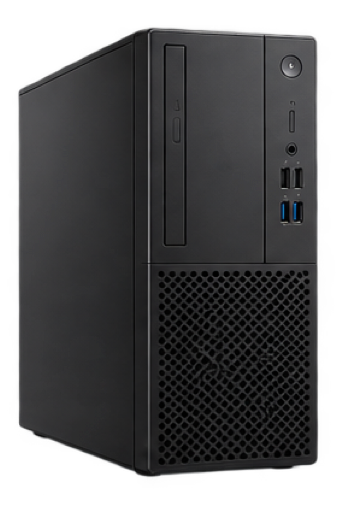
Business PCs and workstations
MacBooks, Macs, and iMacs
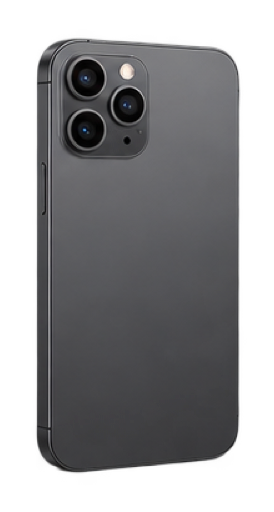
Business iPhone and Android
iPad, Android, and Surface
Business displays
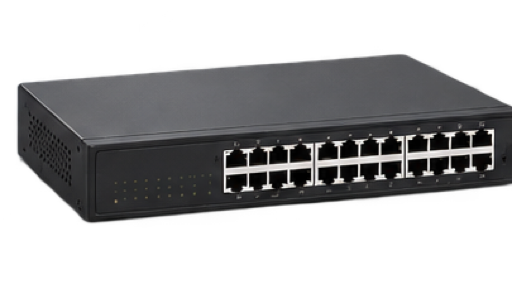
Switches and network devices
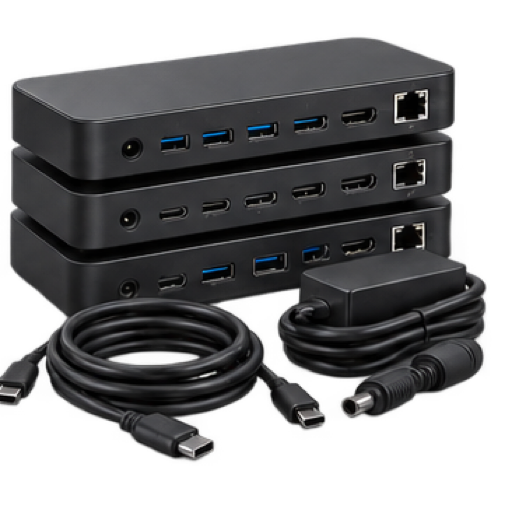
Cables, docks, and peripherals
Equipment acceptance, service availability, and recovery value are subject to Grade OS review.
Share the locations, decision-makers, equipment mix, and target schedule.
Confirm accepted assets, recovery options, handling requirements, and itemized costs.
Agree on collection availability, building access, packing responsibilities, and any scope changes.
Reconcile accepted equipment with processing records and the agreed commercial settlement.
Pickup is coordinated after scope approval. Sharing site constraints early helps define a workable plan; submission does not reserve a collection window.
Discuss our approachFlag loading docks, elevators, access hours, and building coordination requirements.
Identify participating sites and confirm the organization’s authority to release equipment.
Tell us your target closure date and any dependencies. Availability must be confirmed.
A resale decision is only part of the job. Define the sanitization method, evidence, and exception handling your organization requires before equipment changes hands.
Identify the device types, storage media, data sensitivity, and access restrictions. Method suitability depends on the equipment and its condition.
Discuss Clear, Purge, or Destroy requirements using NIST SP 800-88 Rev. 2 as a scoping reference. The applicable method and delivery arrangements must be confirmed for your project.
Specify serial-number tracking, tamper-evident evidence records, and the source of each result. Distinguish reported execution from verified outcomes.
Flag locked, damaged, or unsupported media. Agree on isolation, escalation, and any separately arranged destruction before authorizing disposition.
Tell us which standards your procurement or security policy specifies. We review the method, product, and provider separately.
Sanitization method, storage technology, and applicable firmware commands. NIST Rev. 2 is current; flag any policy that still references Rev. 1.
Review the exact erasure product, version, evaluation scope, and current certificate. Product assurance applies to the evaluated product and configuration.
Review the named provider, covered services, location, and current credentials. Environmental and quality management requirements are separate from a device’s erasure result.
These are requirements for project review. Grade OS certification or conformance is not asserted by this list. Applicable scope and evidence must be confirmed in writing.
Share your sanitization policy, reporting format, required certifications, and procurement conditions. Service availability and supporting evidence are confirmed in the written scope.
Discuss your data requirementsNIST SP 800-88 Rev. 2 supersedes Rev. 1 and provides guidance for a media sanitization program, including Clear, Purge, and Destroy. A reference to the publication does not establish that a particular device has been sanitized or that Grade OS holds a certification.
Requirements must be reviewed against the actual equipment, agreed method, provider, and available evidence. Any mandatory facility certification, independent audit, contractual control, or destruction certificate must be confirmed before you engage a service.
Do not assume destruction is included in an equipment buyback or erasure scope. Any destruction arrangement requires separate confirmation of the provider, covered media, custody arrangements, and documentation.
No ITAD expertise needed. Start with these three things, then tell us what equipment you have.
No commitment to sell. No pickup booked by submitting.
Some equipment can support purchase or revenue share. Other equipment may involve processing costs. We review the full picture with you before you decide.
Device identity, the applicable sanitization method, and available evidence belong in the written scope. Locked or unsupported media needs an agreed exception plan.
Explore data-handling requirementsA rough count and equipment mix are enough for the first conversation. Our team follows up to clarify the details. Pickup and settlement dates are agreed separately.
No. An approximate equipment mix and count is enough to begin the conversation. We confirm accepted equipment and scope with you.
Not necessarily. Age, condition, specifications, demand, and processing costs affect the outcome. Your assessment clarifies options and any service costs.
Discuss the storage media, required sanitization outcome, verification evidence, and exceptions with us before releasing equipment. Your written scope confirms the applicable method and delivery arrangements. See the Data Sanitization & Documentation section above.
Share your ZIP code or project location. Grade OS reviews service availability, logistics, and pricing for the equipment and scope you provide.